
Transform Your Relationship with Food
Discover the profound connection between nutrition and psychology to achieve holistic well-being.
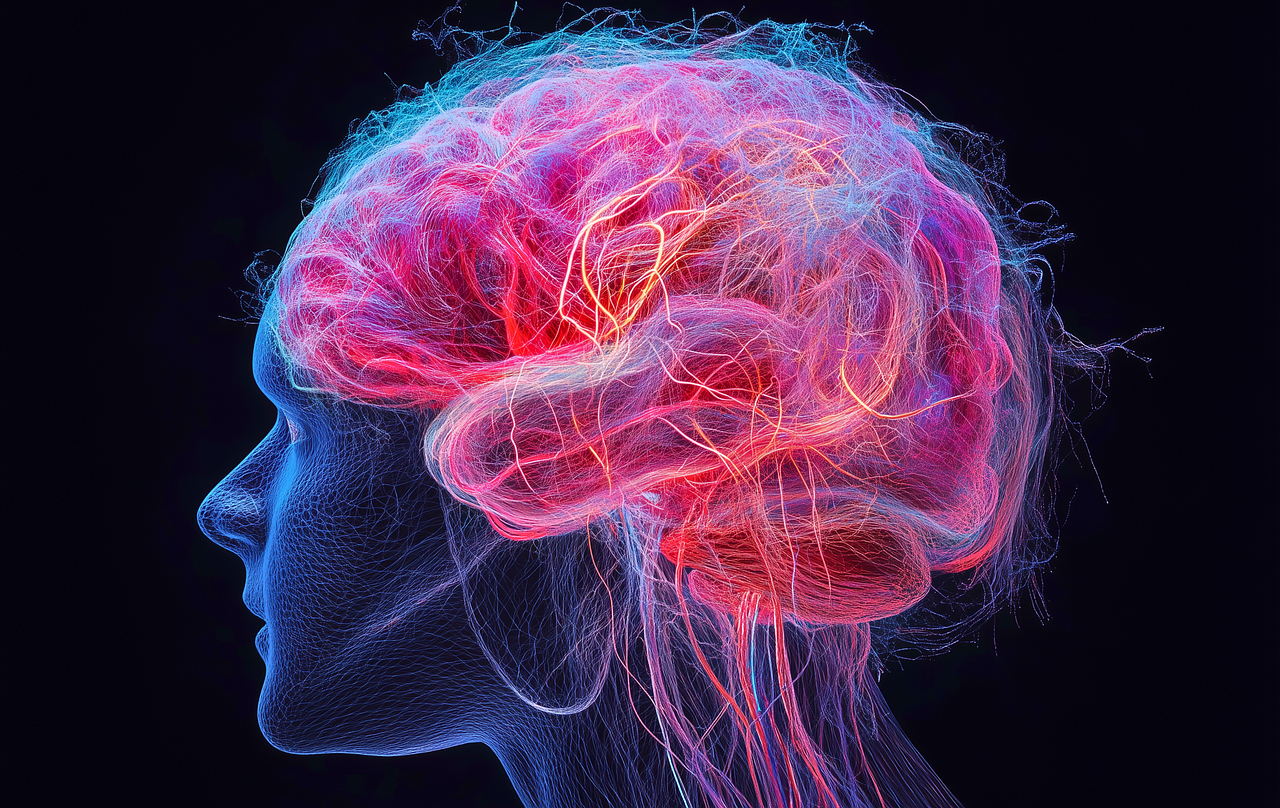
Beyond Calories and Nutrients
The Psychology of Eating
While nutrition often emphasizes the tangible aspects like calories and nutrients, the psychological elements of eating are equally crucial. Understanding how our thoughts and emotions influence our eating habits can lead to more balanced and fulfilling dietary choices.
Eating as an Emotional Journey
The Impact of Emotions on Digestion
Every meal is an emotional experience that can affect our body’s ability to digest and absorb nutrients. By approaching food with mindfulness and self-compassion, we can enhance our body’s natural processes and foster a healthier relationship with what we eat.
Understanding Self-Perception in Eating
The Emotional Weight of Food Choices
Our self-perception plays a pivotal role in shaping our dietary decisions. When we view ourselves through a lens of compassion and acceptance, our food choices tend to be more nourishing and balanced. Conversely, if we approach eating with self-criticism or guilt, it can lead to stress and unhealthy eating patterns. Recognizing the emotional weight that accompanies each meal can help us make more mindful and positive choices, fostering a healthier relationship with food.
The Aftermath of Eating
Listening to Our Bodies
The way we feel after a meal is a crucial component of our eating experience. Our body’s feedback—whether we feel energized or lethargic—provides valuable insights into how different foods affect us. By tuning into these signals, we can transition from mindless consumption to a more mindful approach, enhancing our overall well-being. Understanding this feedback loop empowers us to make dietary choices that support our health and vitality.
Cultivating a Positive Food Mindset
Steps to Improve Your Relationship with Food
Developing a healthy food mindset involves several actionable steps. Start by practicing mindful eating: savor each bite and pay attention to your body’s hunger and fullness cues. Let go of rigid food rules and instead focus on how foods make you feel. Embrace self-compassion, acknowledging that eating is a journey of progress, not perfection. Lastly, reflect on how different foods impact your mood and energy levels, using this awareness to guide your future choices. These practices can lead to a more harmonious and fulfilling relationship with food.
Integrating Mind and Body
The NeoGenesis Approach
At NeoGenesis Nutrition, we understand that true health transcends the boundaries of traditional dieting. Our philosophy is rooted in the belief that optimal wellness is achieved by harmonizing nutritional science with emotional awareness. By acknowledging the psychological aspects of eating, we empower our clients to develop a balanced and nourishing relationship with food. This holistic approach not only enhances physical health but also fosters a sense of empowerment and self-compassion, paving the way for sustainable, long-term well-being.
Our commitment to combining the latest in nutritional research with a deep understanding of the emotional facets of eating sets us apart. We guide our clients to move beyond mere calorie counting and food restrictions, encouraging a mindset that embraces food as a source of nourishment and joy. By fostering this connection, we help individuals break free from cycles of stress and guilt, leading them towards a healthier, more fulfilling lifestyle.