
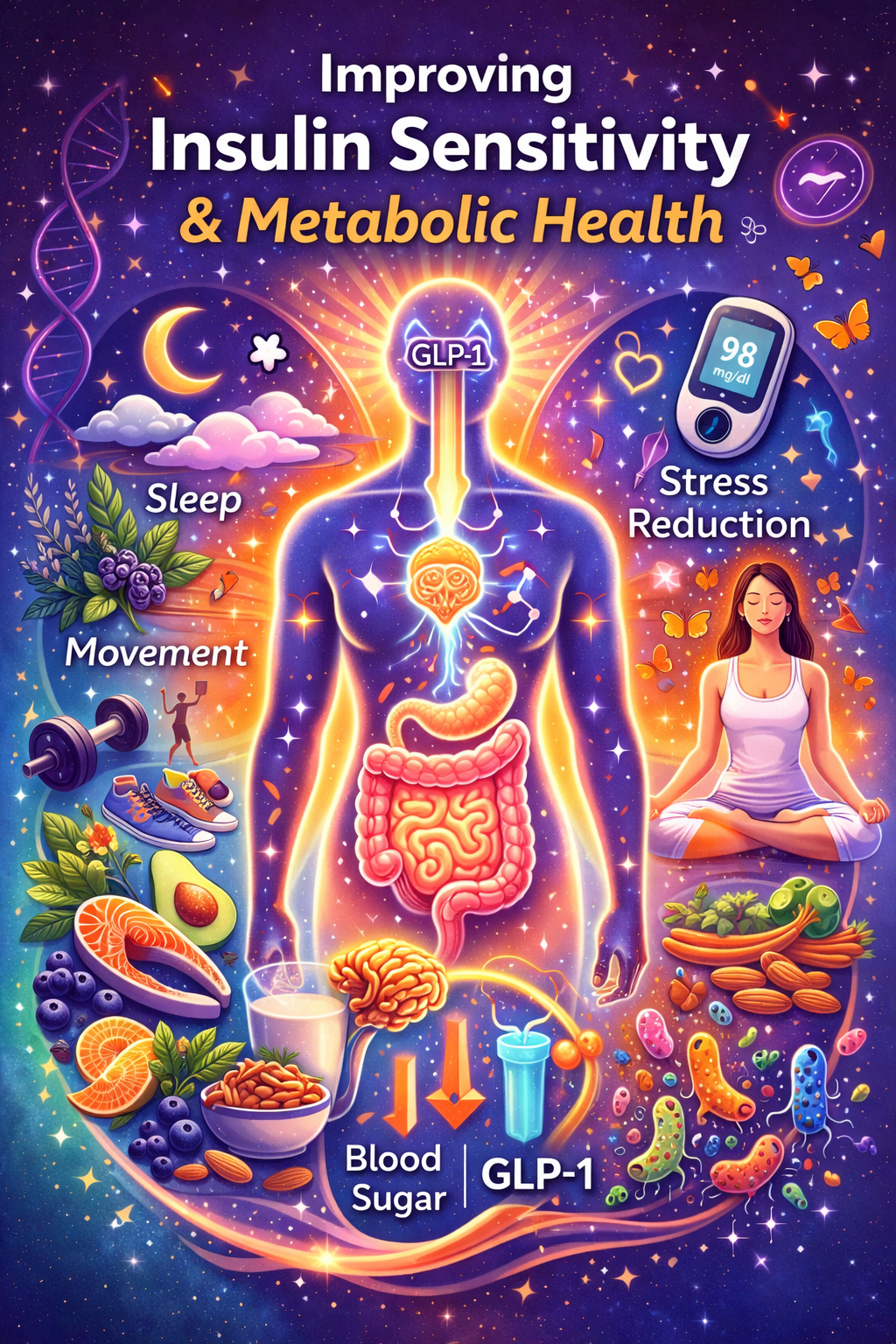
What is Insulin Resistance and Metabolic Syndrome?
Over the past few years, medications that target GLP-1 (glucagon-like peptide-1) have become widely discussed in the world of metabolic health. These medications were originally designed to support people with type 2 diabetes and are now frequently used for weight management. While pharmaceutical GLP-1 medications can be helpful for some individuals, many people are asking an important question:
Can we naturally support the same metabolic pathways through nutrition and lifestyle?
The answer is yes—your body already produces GLP-1, and the foods you eat, the timing of meals, and your daily habits can significantly influence how well this system works.
In simple terms,
GLP-1 is a hormone released in the gut after eating. It plays several important roles in metabolic health:
-
Slows stomach emptying
-
Improves insulin secretion when glucose is present
-
Reduces excessive glucagon release
-
Enhances satiety signals to the brain
-
Helps regulate appetite and food intake
GLP-1 helps your body manage blood sugar and communicate fullness more effectively.
The exciting part is that many nutrition and lifestyle factors naturally stimulate GLP-1 production.
Understanding Insulin Resistance and Metabolic Syndrome?
Insulin is a hormone that helps move glucose from the bloodstream into the cells to be used for energy. When the body becomes less responsive to insulin—a condition known as insulin resistance—glucose remains elevated in the bloodstream.
Over time, insulin resistance can contribute to:
-
Fatigue after meals
-
Increased cravings, especially for carbohydrates
-
Difficulty losing weight
-
Elevated triglycerides
-
PCOS and hormone imbalance
-
Prediabetes and type 2 diabetes
-
Cardiovascular disease risk
Insulin resistance is also closely tied to chronic inflammation, gut health, sleep quality, and stress levels, making it a whole-body metabolic issue rather than simply a “blood sugar problem.”
Common Questions About Insulin Resistance and Metabolic Syndrome
Explore answers to frequently asked questions about insulin resistance and metabolic syndrome to better understand these health conditions.
What causes insulin resistance?
Insulin resistance is often caused by a combination of genetic factors, obesity, and a sedentary lifestyle. High levels of stress and poor diet can also contribute.
How is metabolic syndrome diagnosed?
Metabolic syndrome is diagnosed when a person has at least three of the following: increased waist circumference, high triglyceride levels, low HDL cholesterol, high blood pressure, and high fasting blood sugar.
Can insulin resistance be reversed?
Yes, lifestyle changes such as regular exercise, a healthy diet, and weight loss can improve insulin sensitivity and potentially reverse insulin resistance.
What are the symptoms of metabolic syndrome?
Symptoms may include increased waist size, fatigue, high blood pressure, and elevated blood sugar levels. However, some people may not experience noticeable symptoms.
Is there a link between insulin resistance and diabetes?
Yes, insulin resistance is a major risk factor for developing type 2 diabetes, as it leads to higher blood sugar levels over time.
How can I prevent metabolic syndrome?
Preventing metabolic syndrome involves maintaining a healthy weight, eating a balanced diet, exercising regularly, and managing stress effectively.
Are there medications for insulin resistance?
While lifestyle changes are the first line of treatment, medications such as metformin may be prescribed to help manage insulin resistance in some cases.
What role does diet play in managing these conditions?
A diet rich in whole grains, lean proteins, healthy fats, and plenty of fruits and vegetables can help manage insulin resistance and metabolic syndrome.
Can children develop insulin resistance?
Yes, children can develop insulin resistance, especially if they are overweight or have a family history of type 2 diabetes.
Understanding the Impact of Insulin Resistance
Over 30% of adults in the U.S. are estimated to have insulin resistance, often undiagnosed.
Metabolic syndrome affects approximately 1 in 3 adults, increasing the risk of heart disease and diabetes.
Regular physical activity can reduce the risk of developing insulin resistance by up to 50%.
Dietary changes can lead to a 25% improvement in insulin sensitivity within weeks.
Early intervention in metabolic syndrome can reduce healthcare costs by over 20% annually.
Women with polycystic ovary syndrome (PCOS) are at a higher risk of developing insulin resistance.
Effective Management Strategies
Key Features of Management
Personalized Nutrition Plans
Tailored dietary guidelines to improve insulin sensitivity and reduce metabolic risk.
Regular Physical Activity
Incorporating exercise routines that enhance glucose uptake and improve metabolic health.
Stress Management Techniques
Implementing mindfulness and relaxation practices to lower stress-induced insulin resistance.
Medication and Supplementation
Utilizing prescribed medications and supplements to support metabolic balance.
Continuous Monitoring
Regular tracking of blood sugar levels and metabolic markers to ensure effective management.
Community Support Programs
Engaging in support groups and community resources for motivation and shared experiences.
Foods that Support Natural GLP-1 Production
Fiber
Fiber is one of the most powerful natural tools for improving metabolic health. When fiber reaches the large intestine, gut bacteria ferment it and produce short-chain fatty acids, which stimulate GLP-1 release.
Focus on:
-
Lentils and beans
-
Oats and barley
-
Chia seeds and flaxseeds
-
Apples and berries
-
Leafy greens and root vegetables
Aim for 25–35 grams of fiber daily, gradually increasing intake if needed.
Healthy Fats
Certain fats slow digestion and help maintain steady blood glucose levels.
Supportive fats include:
-
Avocados
-
Olive oil
-
Nuts and seeds
-
Fatty fish like salmon and sardines
Healthy fats also support hormone production and inflammation balance, which are key components of metabolic health.
Protein at Every Meal
Protein helps stabilize blood sugar and improves satiety signals, which indirectly enhances GLP-1 signaling.
Examples include:
-
Fish and shellfish
-
Pasture-raised eggs
-
Greek yogurt or skyr
-
Tofu and tempeh
-
Lean poultry
-
Legumes
Most individuals benefit from 20–30 grams of protein per meal.
Foods that Support Gut Health
Your gut microbiome plays a major role in metabolic regulation. When beneficial bacteria ferment fiber, they produce compounds that signal the gut to release GLP-1.
Ways to support gut health include:
-
Eating fermented foods (yogurt, kefir, kimchi, sauerkraut)
-
Increasing plant diversity in the diet
-
Supporting beneficial bacteria through prebiotic fiber
A thriving microbiome can help improve blood sugar regulation, inflammation levels, and appetite signaling.
A Root-Cause Approach to Metabolic Health
Insulin resistance rarely occurs in isolation. It often intersects with:
-
Hormone imbalances
-
Gut health issues
-
Chronic inflammation
-
Nutrient deficiencies
-
Stress and sleep disruption
By addressing these interconnected systems, nutrition becomes a powerful tool for restoring metabolic balance.
When Personalized Guidance Matters
Every individual’s metabolic picture is different. Lab markers, lifestyle factors, genetics, and gut health all influence how the body regulates blood sugar.
A personalized nutrition plan can help identify:
-
Hidden drivers of insulin resistance
-
Nutrient deficiencies affecting metabolism
-
Gut health imbalances
-
Hormonal influences
With the right guidance, many people begin to experience improvements in energy, appetite regulation, and overall metabolic resilience.
Ready to Support Your Metabolic Health?
If you’re struggling with blood sugar swings, persistent fatigue, weight changes, PCOS, or metabolic concerns, you don’t have to navigate it alone.
At NeoGenesis Nutrition, we take a personalized and integrative approach to metabolic health, combining advanced nutrition strategies, lab interpretation, and supportive lifestyle guidance.
Your body already has the systems designed to regulate metabolism—it may simply need the right support to function optimally.
Schedule a consultation today and take the first step toward restoring your metabolic health.
Phone
(253) 507-5775
Address
2607 Bridgeport Way W
Ste 2M
University Place, WA 98466