
Nourishing Your Mind: The Nutritional Path to Mental Wellness
Exploring the Connection Between Diet and Depression

We’ve all heard the phrase “you are what you eat,” but what if this idea is even deeper than most of us realize? While depression is often discussed in terms of biology, psychology, or life stressors, emerging research shows that nutrition plays an important—and sometimes underappreciated—role in our mental well-being.
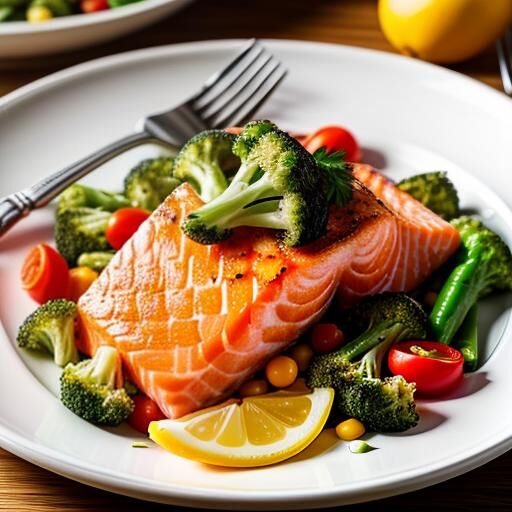
More Than Just a Feeling: Nutrition and the Brain
It may surprise you to learn that the foods we eat don’t just fuel our bodies—they also feed our brains. Nutritional scientists have found that certain patterns in eating are associated with both the onset and severity of depressive symptoms. People experiencing depression often have diets that are low in essential nutrients, and they may crave sweets, skip meals, or eat in ways that actually worsen mood and energy.
Think of your brain as a complex biochemical machine. It needs specific nutrients—like amino acids, healthy fats, vitamins, and minerals—to make the neurotransmitters that help regulate mood, motivation, and calm. When those nutrients are lacking, it’s like trying to run a high-performance engine on low-grade fuel.
Top Nutrients for Mood Support

B Vitamins (Especially Folate and B12)
These vitamins support energy, brain signaling, and emotional balance. In some research, people with low levels of B vitamins have more depressive symptoms, and supplementing with folate or B12 has been linked to improvements.
Magnesium
This mineral is involved in hundreds of processes in the body, including stress response and nervous system regulation. Some studies have found that magnesium supplementation may help ease symptoms in people feeling low or stressed.
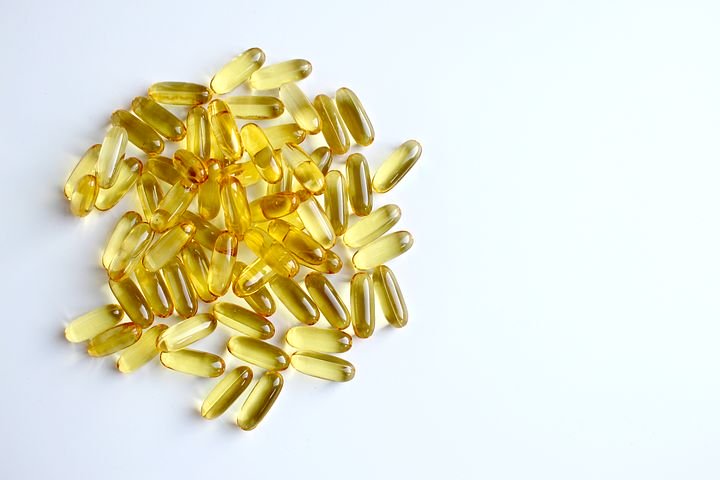
Omega-3 Fatty Acids
Found in fish like salmon, sardines, and mackerel, these healthy fats help support brain function. Studies have shown that people with higher omega-3 intake tend to have better mood regulation.
Amino Acids
These are the building blocks of neurotransmitters like serotonin and dopamine—chemicals tied directly to mood. Eating quality proteins and ensuring adequate amino acids helps the brain create these necessary messengers.
Food Patterns That Help (and Hinder)
It isn’t just specific nutrients that matter—overall eating patterns make a difference too:
Foods that Support Your Mood
-
Whole, minimally processed foods
-
Colorful vegetables and fruit
-
Fish and omega-3 rich foods
-
Whole grains
-
Lean proteins
These foods provide a broad spectrum of nutrients that help keep blood sugar balanced, inflammation low, and your gut microbiome happy—all of which feed back positively to mood and energy levels.
Foods That Might Make Mood Worse
-
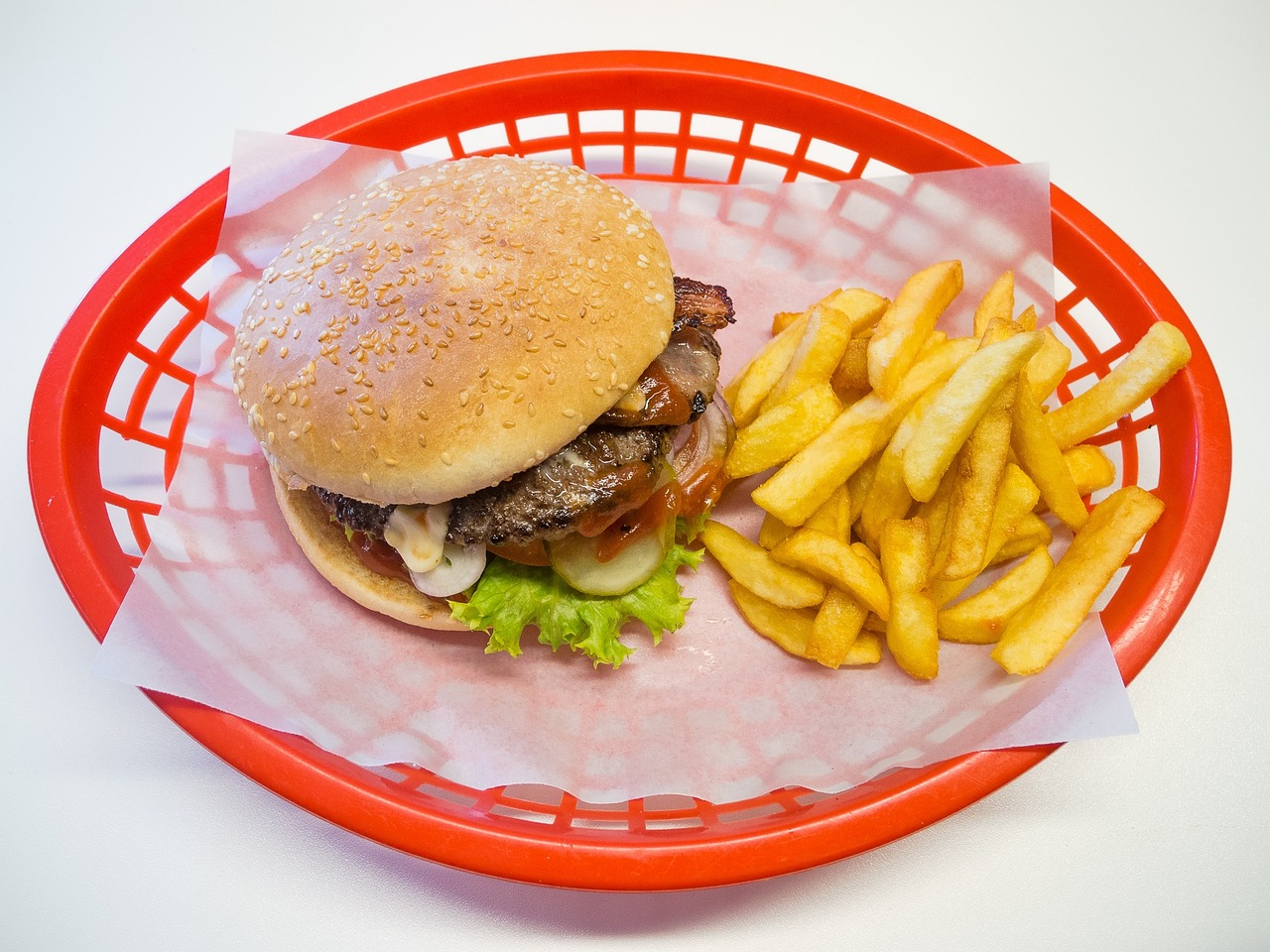
Highly processed snacks and meals
-
Sugary drinks
-
Excessive refined carbohydrates
Research shows that diets high in these foods are associated with a greater risk of depressive symptoms, whereas whole-food patterns tend to protect against them.
It’s Not Just What You Eat—It’s How You Eat
Patterns like skipping meals or eating irregularly can destabilize blood sugar and mood. When we miss meals, stress hormones rise and brain energy drops. Eating regular, balanced meals with protein, healthy fats, and fiber helps keep your mood and energy stable throughout the day.
Nutrition as Part of the Whole Picture
It’s important to be clear: no single food, nutrient, or diet will magically cure depression. Depression is influenced by many factors—genetics, life events, hormone levels, sleep, stress, and yes, nutrition. But what you eat can be a powerful and supportive piece of the overall mental health puzzle.
Instead of thinking “perfect diet,” think supportive nutrition. Small, consistent changes that add nutrient-dense foods, cut back on highly processed options, and balance meals across the day can make a real difference—especially when paired with other care strategies (therapy, movement, sleep, relationships).
Your diet doesn’t just influence your waistline—it influences your mind too. Treating food as a foundation of emotional well-being isn’t about strict rules or perfection. It’s about giving your brain the nutrients it needs to show up with resilience, clarity, and balance.