
Insights on PTSD and Nutrition: Glucose and Cortisol
When most people think about post-traumatic stress disorder (PTSD) or complex PTSD (cPTSD), they think about emotional and psychological symptoms—flashbacks, anxiety, or hypervigilance. But trauma doesn’t just live in the mind—it also lives in the body. One of the most profound physiological effects of trauma occurs through the stress hormone cortisol and its impact on glucose (blood sugar) regulation.
Trauma and the Stress Response
When the brain perceives threat, it activates the hypothalamic-pituitary-adrenal (HPA) axis, releasing cortisol from the adrenal glands. In an acute situation—such as a car accident or sudden scare—this is adaptive: cortisol raises blood sugar so your muscles have fuel to fight or flee.
However, in individuals with PTSD or cPTSD, the stress response doesn’t “turn off.” The brain and body remain in a state of chronic hyperarousal, even in the absence of immediate danger. Over time, this persistent cortisol signaling alters both hormonal balance and metabolic stability.
Understanding Nutrition's Impact on PTSD
Explore common inquiries about how diet influences PTSD symptoms through glucose and cortisol management.
How does glucose regulation affect PTSD symptoms?
Dysregulated glucose levels can have a profound impact on mental health. When blood sugar spikes and crashes, the brain experiences fluctuations in energy and neurotransmitter balance, often resulting in anxiety, irritability, fatigue, or depressive symptoms. Over time, chronic instability in glucose and cortisol can impair cognitive function, increase inflammation, and heighten vulnerability to mood disorders like depression and PTSD.
What role does cortisol play in PTSD?
Cortisol directly increases blood sugar levels by stimulating gluconeogenesis, the process by which the liver converts amino acids into glucose. This ensures the body always has quick access to energy during stress—but at a cost.
When cortisol remains elevated:
-
Insulin sensitivity decreases, leading to higher blood glucose.
-
Adrenal fatigue can develop, leaving cortisol either chronically high or depleted.
-
Blood sugar may fluctuate drastically—causing fatigue, brain fog, irritability, and cravings for sugar or caffeine.
This creates a vicious cycle: unstable blood sugar worsens anxiety and mood swings, which in turn perpetuate the trauma response.
Can diet improve cortisol balance?
Yes! Your cortisol output levels will determine the types of foods that you need and the timing of your intake.
A balanced diet can play a powerful role in regulating cortisol levels and supporting adrenal health. Consuming regular, nutrient-dense meals that include quality protein, healthy fats, and complex carbohydrates helps stabilize blood sugar and prevent cortisol spikes. Foods rich in magnesium, vitamin C, and B vitamins—such as leafy greens, citrus, nuts, and whole grains—nourish the adrenal glands and promote a calmer, more resilient stress response.
What foods help regulate glucose levels?
Foods that help balance cortisol levels are those that stabilize blood sugar, reduce inflammation, and nourish the adrenal glands. These include:
-
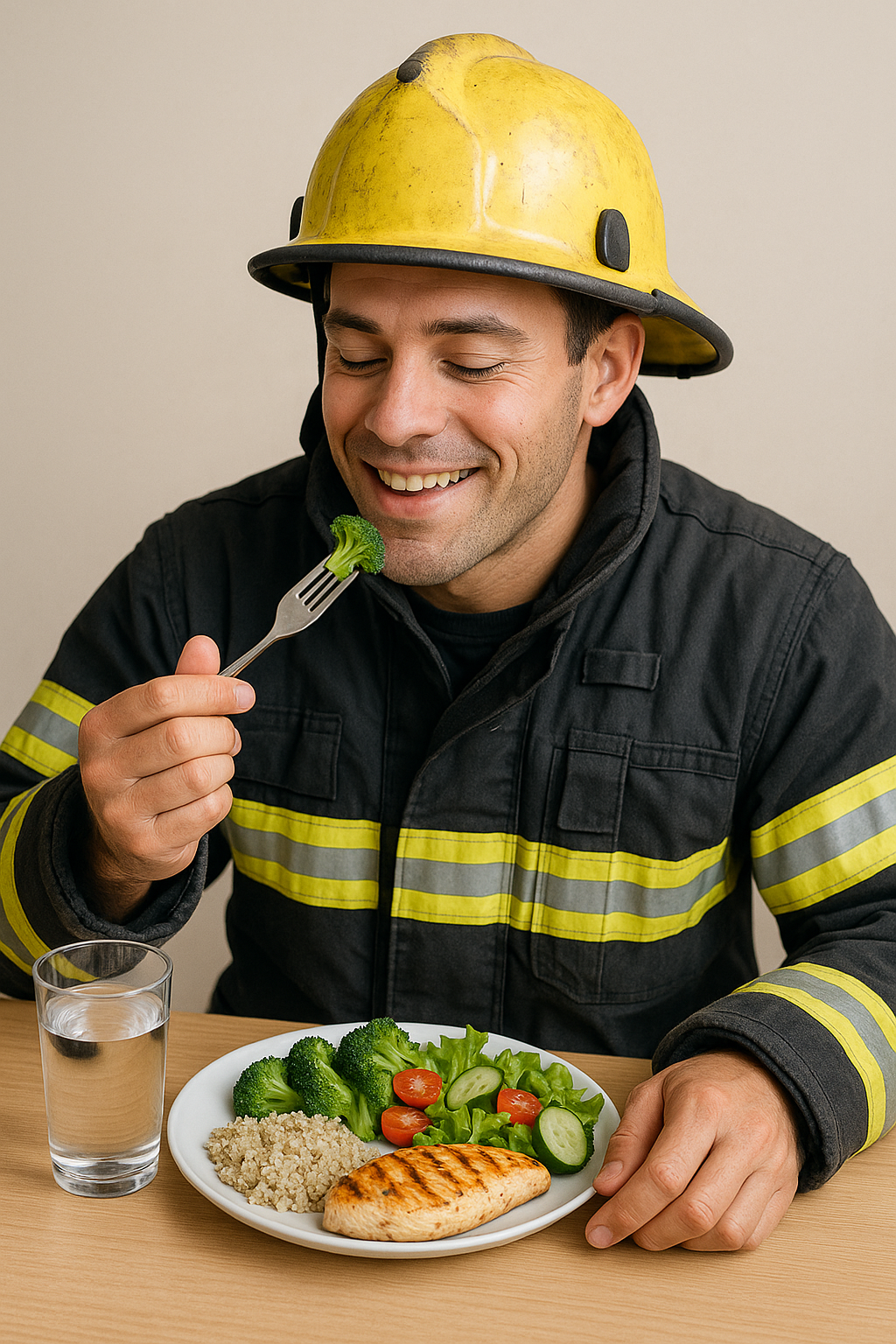
Protein-rich foods: wild-caught salmon, eggs, turkey, chicken, and legumes to maintain steady energy and reduce stress-induced sugar cravings.
-
Healthy fats: avocado, olive oil, nuts, seeds, and fatty fish to support hormone production and brain function.
-
Complex carbohydrates: sweet potatoes, quinoa, oats, and leafy greens to prevent cortisol spikes from blood sugar drops.
-
Magnesium-rich foods: spinach, pumpkin seeds, almonds, and dark chocolate to calm the nervous system.
-
Vitamin C sources: oranges, bell peppers, kiwi, and broccoli to support adrenal recovery.
-
Adaptogenic herbs: ashwagandha, holy basil, and rhodiola (used under practitioner guidance) to help modulate cortisol response and build stress resilience.
Is there a specific diet recommended for PTSD?
While no specific diet is prescribed, a balanced diet focusing on whole foods, low sugar, and healthy fats can support overall mental health. Everything should be personalized. There is no one diet for all people.
How does stress affect glucose and cortisol?
Stress can cause fluctuations in glucose and cortisol levels, potentially exacerbating PTSD symptoms. Managing stress through diet and lifestyle is crucial.
Nutritional Features for PTSD Management
Balanced Macronutrients
Ensuring a balanced intake of proteins, fats, and carbohydrates to stabilize blood sugar levels.
Cortisol-Friendly Foods
Incorporating foods that naturally help regulate cortisol levels, such as leafy greens and fatty fish.
Prioritizing Consistent Meal Timing
skipping meals can trigger cortisol release and mimic trauma-related stress.