
Understanding the Hidden Culprits of Seasonal Illnesses
Cold & Flu Season… or Sugar Toxicity Season?
Every year as the weather cools, we hear reminders to stock up on tissues, vitamin C, and flu shots. But what if “cold and flu season” isn’t really about the weather at all? What if it’s more about what’s on our plates?
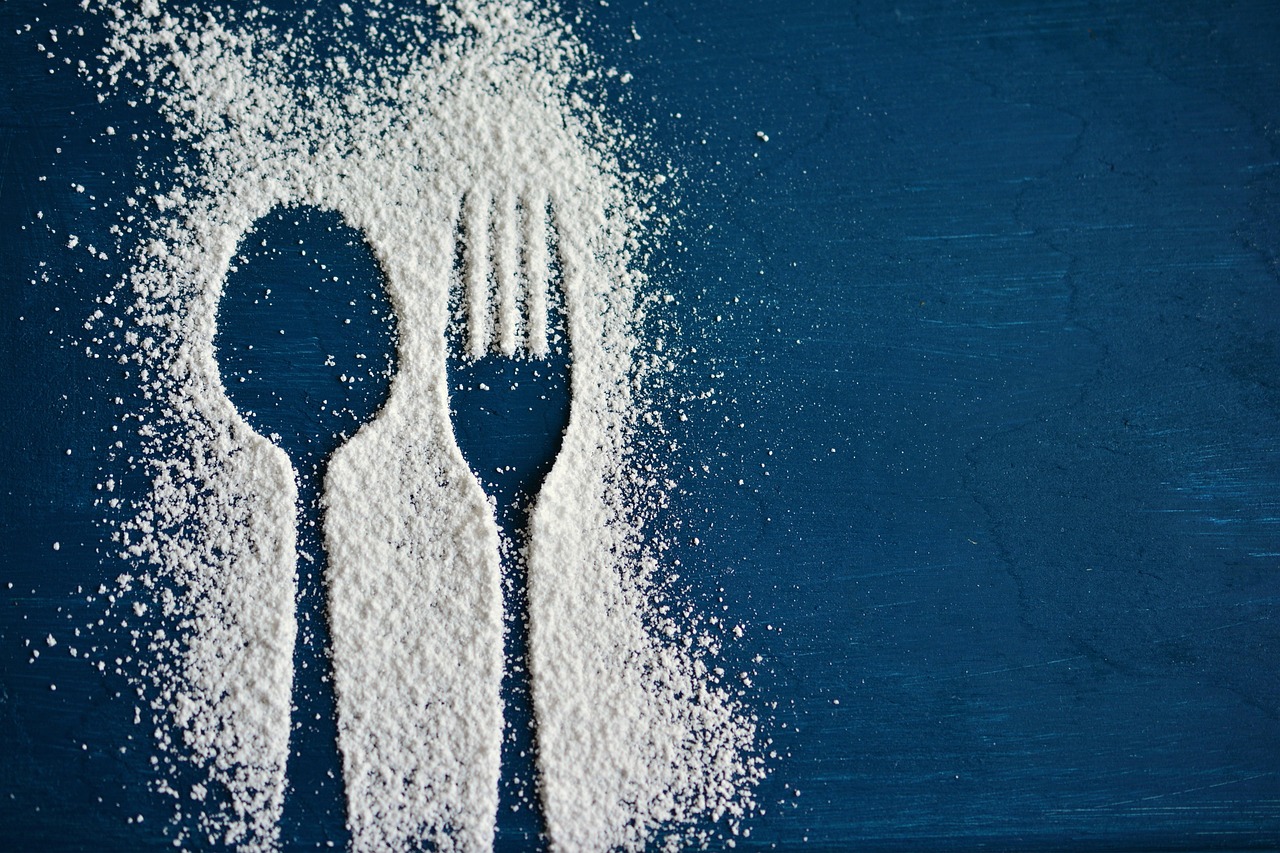
During the fall and winter, sugar intake skyrockets—Halloween candy, pumpkin spice lattes, holiday cookies, cocktails, and celebratory treats. This surge of sugar can overwhelm the immune system, reduce white blood cell activity, and create the perfect environment for viruses to thrive.
Instead of thinking of this time as “flu season,” it might be more accurate to call it sugar toxicity season. The truth is: viruses are always around us, but our ability to fight them depends heavily on how well our immune system is nourished and supported.
3 Powerful Ways to Protect your Immune System
1. Balance Your Blood Sugar
High sugar intake suppresses immune function for hours after consumption. By focusing on whole, nutrient-rich foods, you help keep your immune system online and ready to respond.
-
Choose complex carbohydrates like root vegetables, oats, and quinoa instead of processed sweets.
-
Pair carbohydrates with protein and healthy fats to slow down glucose spikes.
-
Reserve sweets for special occasions rather than daily habits.
2. Prioritize Rest & Stress Resilience
Sleep is when your body does its deepest healing and immune repair. Stress, on the other hand, depletes your defenses.
-
Aim for 7–9 hours of quality sleep each night.
-
Try stress-modulating activities such as yoga, meditation, or even a daily walk in fresh air.
-
Consider adaptogens like ashwagandha or calming practices like HeartMath breathing to regulate cortisol.
3. Strengthen Your Gut & Immune Foundations
Since 70% of your immune system lives in the gut, supporting digestive health is critical.
-
Include fermented foods like sauerkraut, kimchi, or kefir for natural probiotics.
-
Eat a rainbow of vegetables to nourish your microbiome with fiber and polyphenols.
-
Stay hydrated—water helps flush toxins and keep mucous membranes (your first line of defense) healthy.
Common Questions About Sugar, Stress, and Seasonal Health
Learn more about how sugar and stress affect your health during the fall and winter seasons.
How does sugar consumption affect my health during winter?
Sugar consumption weakens your immune system, making you more susceptible to colds and flu during the colder months.
Why is stress more impactful in the fall and winter?
Stress can increase during these seasons due to shorter days and holiday pressures, exacerbating health issues and reducing immunity.
Can reducing sugar intake improve my winter health?
Yes, lowering sugar consumption can help strengthen your immune system and reduce the risk of seasonal illnesses.
What are some signs of sugar toxicity?
Common signs include fatigue, frequent colds, and difficulty concentrating, especially noticeable during the fall and winter.
How can I manage stress to improve my health in the colder months?
Incorporate relaxation techniques such as meditation, exercise, and adequate sleep to mitigate stress effects.
Does sugar consumption increase stress levels?
High sugar intake can lead to mood swings and increased stress levels, impacting overall health negatively.
What foods should I avoid to reduce sugar overload?
Avoid processed foods, sugary drinks, and snacks high in refined sugars to minimize toxicity.
How does stress weaken the immune system?
Stress triggers the release of cortisol, which can suppress immune function, making you more prone to infections.
Are there any supplements that help with sugar and stress management?
Supplements like magnesium, vitamin D, and omega-3 fatty acids can support stress reduction and sugar metabolism.
Impact of Sugar and Stress on Health
Studies show that individuals consuming high sugar diets are 30% more likely to experience increased stress levels, leading to a 25% higher risk of illness during colder months.